OEM & ODM SERVICE
We have been specializing in wildlife trail camera since they revolutionized the trail camera industry in 2003.
Language
A practical roadmap for importers, Amazon sellers, and security distributors — from picking the right platform to landing your first container.
Most people who succeed in the trail camera business in 2026 don't design a camera from scratch. They don't need to. What they do is pick the right factory, choose a proven platform, and avoid the five mistakes that sink first-time brands before container #2.
This guide walks through the actual process — the one we've seen work for dozens of KeepGuard OEM partners across the US, EU, and Australia.
1. Pick Your Category Before You Pick Your Model
"Trail camera" is no longer one product. It's four different businesses:
- Cellular 4G LTE — remote woods, ranch perimeter, security. Buyers pay a premium for uptime and trigger speed.
- WiFi (no monthly fee) — backyard, feeder, cabin, farm gate. The selling point is "zero subscription, ever."
- Dual-lens / 4K premium — wildlife research, high-end hunting, birdwatching. Margins are healthiest here.
- Thermal imaging — a separate buyer entirely (night-vision distributors, tactical, professional security). Don't mix it with your trail cam catalog.
Trying to sell all four at once is how first-time brands dilute their story. Pick one to lead with. You can expand once you've proven the channel.
2. Understand the Three Levels of Customization
Factories like to throw around "OEM/ODM" as if it's one thing. It isn't. There are three distinct depths, and knowing which one fits your budget and timeline is the single biggest cost lever you control.
Level 1 — Neutral + Surface Branding
You take the factory's existing model, remove their logo, and add yours — on the housing, the boot screen, the color box, and the manual. This is the fastest and cheapest path. MOQ is modest, lead time is short, and you can be selling within 6–8 weeks.
Level 2 — Firmware & APP Customization
Beyond the logo, you tweak the menu language, the default settings, the boot animation, and — most importantly — the companion APP. Rebranding the APP with your own name and icon turns a commodity camera into your product in the customer's mind. This level typically adds a small one-time engineering fee but no tooling cost.
Level 3 — ODM / Partial Structure Change
You modify the shell, add a feature (solar panel integration, different antenna layout, custom bracket), or build a derivative model. This requires new tooling and a longer development cycle, but it's how you create a defensible SKU that competitors can't just copy from a catalog.
Most successful first-time brands start at Level 1 or 2, prove the market, then move to Level 3 on their second or third order.
3. The Pricing Logic No Factory Will Volunteer
Here's what most importers get wrong: they shop for the lowest FOB quote and think they've won.
A trail camera is a 12-month product in the field. The difference between a $30 camera and a $45 camera at the factory gate usually comes down to five things you can't see in a spec sheet:
1. LED binning — are the 940nm LEDs sorted by wavelength accuracy, or grabbed from the cheapest bin?
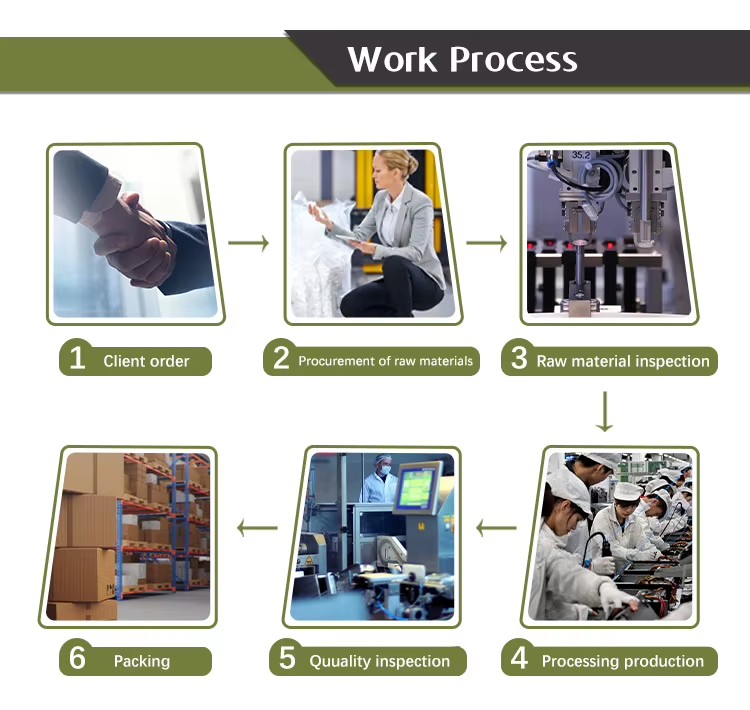
2. Aging test — does every unit run 24 hours before it leaves, or is it spot-checked?
3. Battery pairing — are the cells matched for capacity, or shipped random?
4. Firmware validation — is the PIR algorithm tuned per housing, or a generic flash?
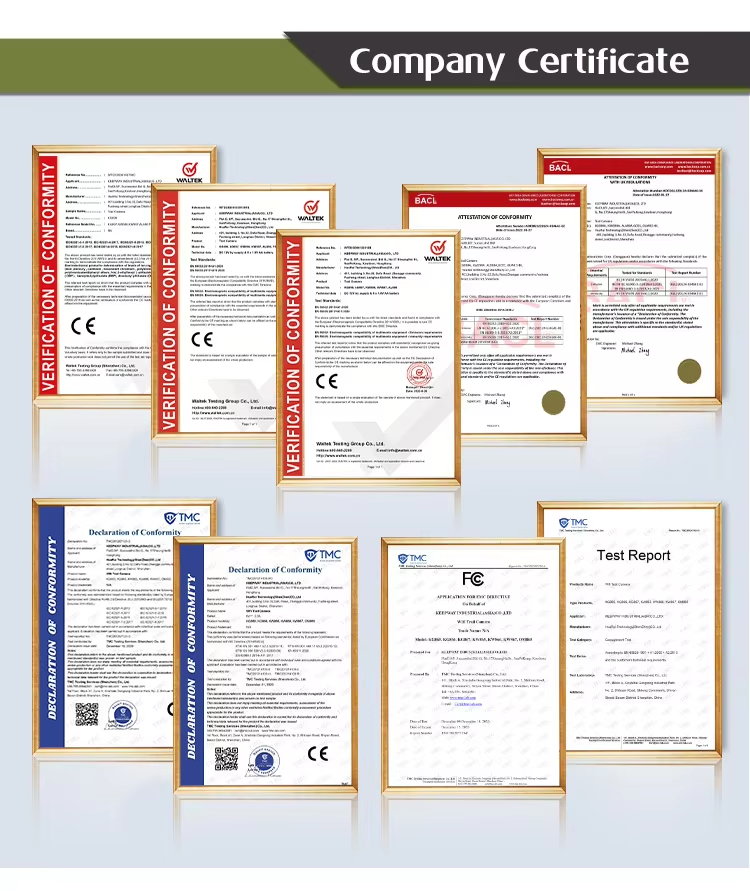
5. Certification completeness — does the unit actually carry CE-RED, FCC, and RoHS with test reports, or just a sticker?
When a quote comes in dramatically lower than the rest, it's almost always because one or more of these were cut. Your customers will find out at month six — and they'll blame your brand, not the factory.
A realistic FOB range for a credible 4G LTE trail camera in 2026 sits in the low-to-mid $80s at volume, with entry-level non-cellular units in the $30s. Anything well below those bands deserves a second look at what was removed to get there.
4. Certifications: The Boring Part That Kills Sales
If you're selling into the US, you need FCC. If you want AT&T or T-Mobile certification for your 4G model, you need PTCRB on top of that — and most first-time brands don't know it exists until a carrier rejects their SKU.
For Europe, CE-RED covers the radio, RoHS covers the materials, and REACH covers the chemicals. The UK post-Brexit requires its own UKCA marking. Australia has RCM.
The good news: a factory that already holds these certifications for their neutral platforms can usually extend them to your branded version without starting from zero. Ask for the actual test reports, not just a compliance statement.
5. The First-Order Timeline (Realistic)
Here's what the clock actually looks like for a Level 1–2 brand launch:
- Week 1–2: Model selection, sample order, firmware/APP discussion
- Week 3–4: Sample arrival, field testing, feedback loop
- Week 5–6: Artwork finalization (color box, manual, logo files), APP skin approval
- Week 7–10: Production run
- Week 11–12: QC, packing, shipping
Twelve weeks from first email to container at your door. Brands that understand this upfront plan their launch season accordingly. Brands that don't end up air-freighting 200 units at triple the cost because they missed the hunting season window.
6. Five Mistakes to Avoid
1. Changing too much too early. First order is not the time to redesign the housing. Prove the product, then evolve it.
2. Skipping the field test. A sample that works in your backyard is not the same as a camera that works in a Texas thicket in August.
3. Ignoring the APP. The APP is the product experience for cellular buyers. A clunky generic APP will tank your reviews regardless of camera quality.
4. Chasing the lowest FOB. See Section 3.
5. Launching without spare parts planning. Decide early: who handles RMA? Do you stock replacement units, or ship back to the factory? Your return policy depends on this.
What KeepGuard Brings to the Table
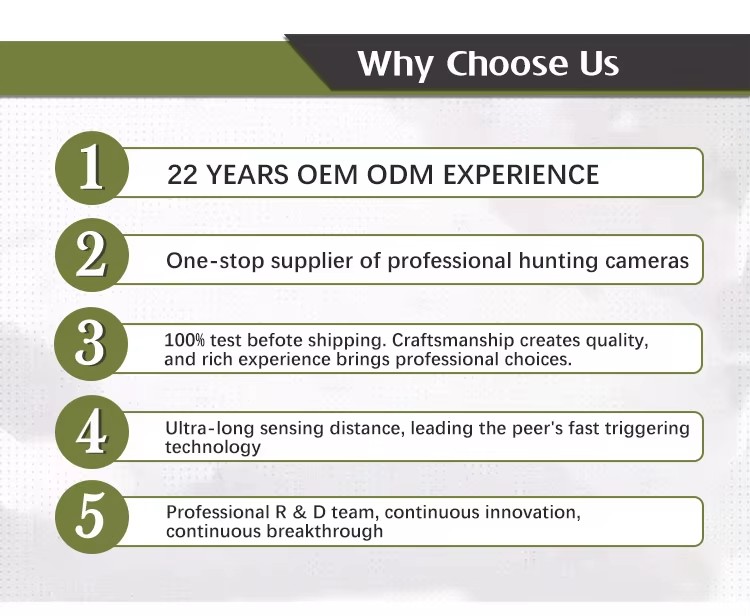
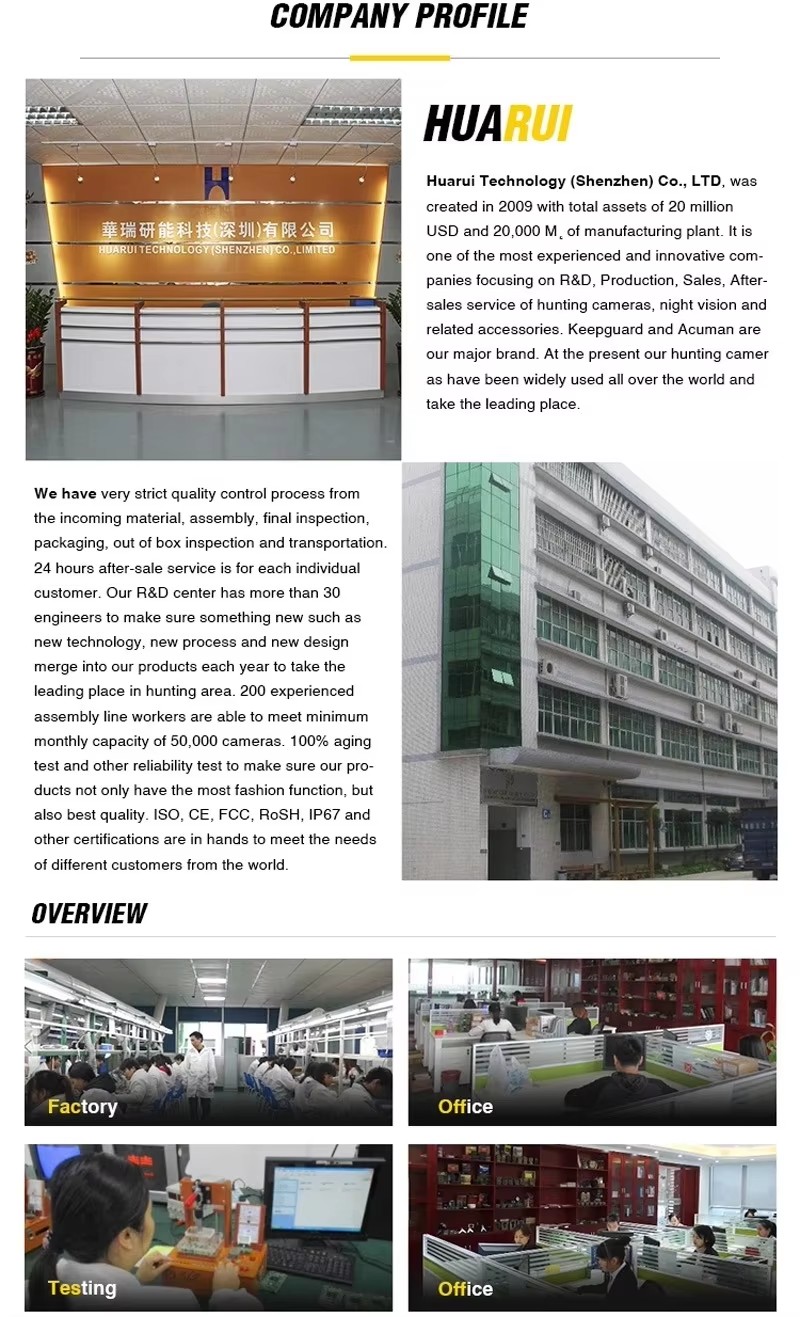
We've been manufacturing trail cameras since 2003 — 22 years, 30+ R&D engineers, 200 production staff, 50,000 units per month capacity, and a return rate under 1.5%. Our platforms (including the flagship dual-antenna 4G with built-in eSIM, a 4K WiFi zero-fee model, and a dual-lens 4K series) are already certified for the markets you want to enter.
Level 1 branding can start at a surprisingly low MOQ. Level 2 APP rebranding is a one-time engineering step. Level 3 ODM is where we help you build something the competition can't just copy from a PDF.
The fastest way to start is to download our 2026 OEM Line Card — it lists every platform, the customization depth available for each, and the certification status by market. No obligation, no sales call required.
---
Ready to take the next step?
Questions about MOQ, lead times, or certification for your target market? Email us at sales5@keepguard.com — we typically respond within one business day.

KEEPWAY Industrial (Asia) Co.,Ltd
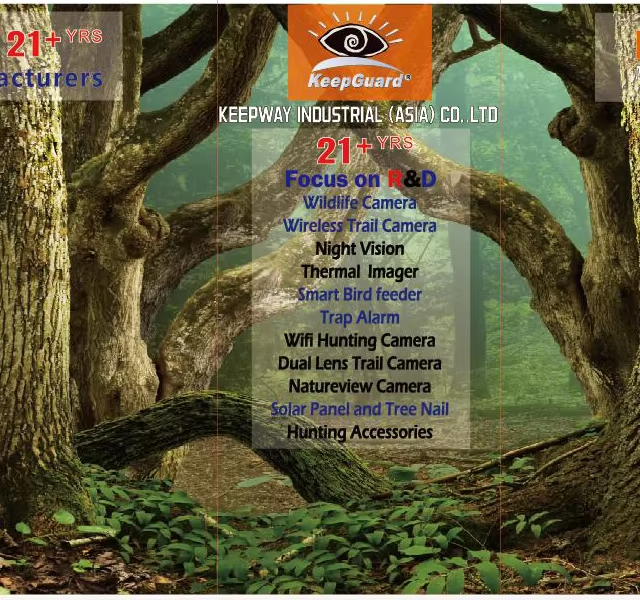
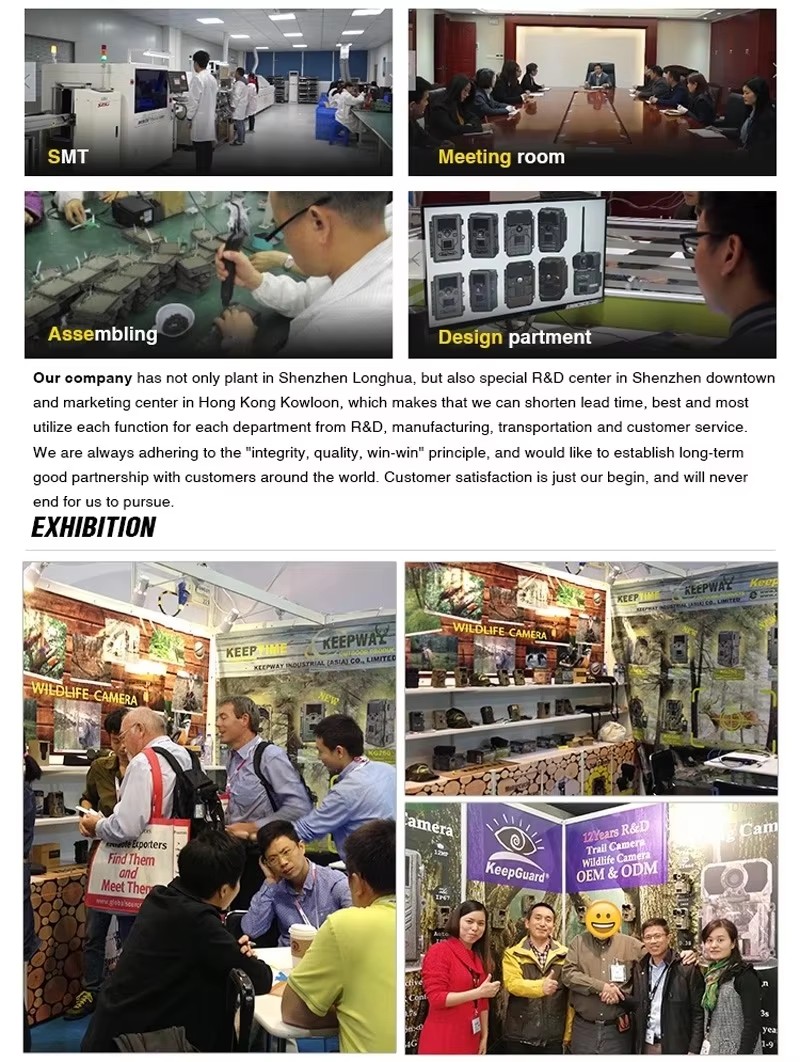
Is one of the most experienced and innovative companies focusing on R&D, Production, Sales, After-sales service of hunting cameras, night vision and related accessories.